
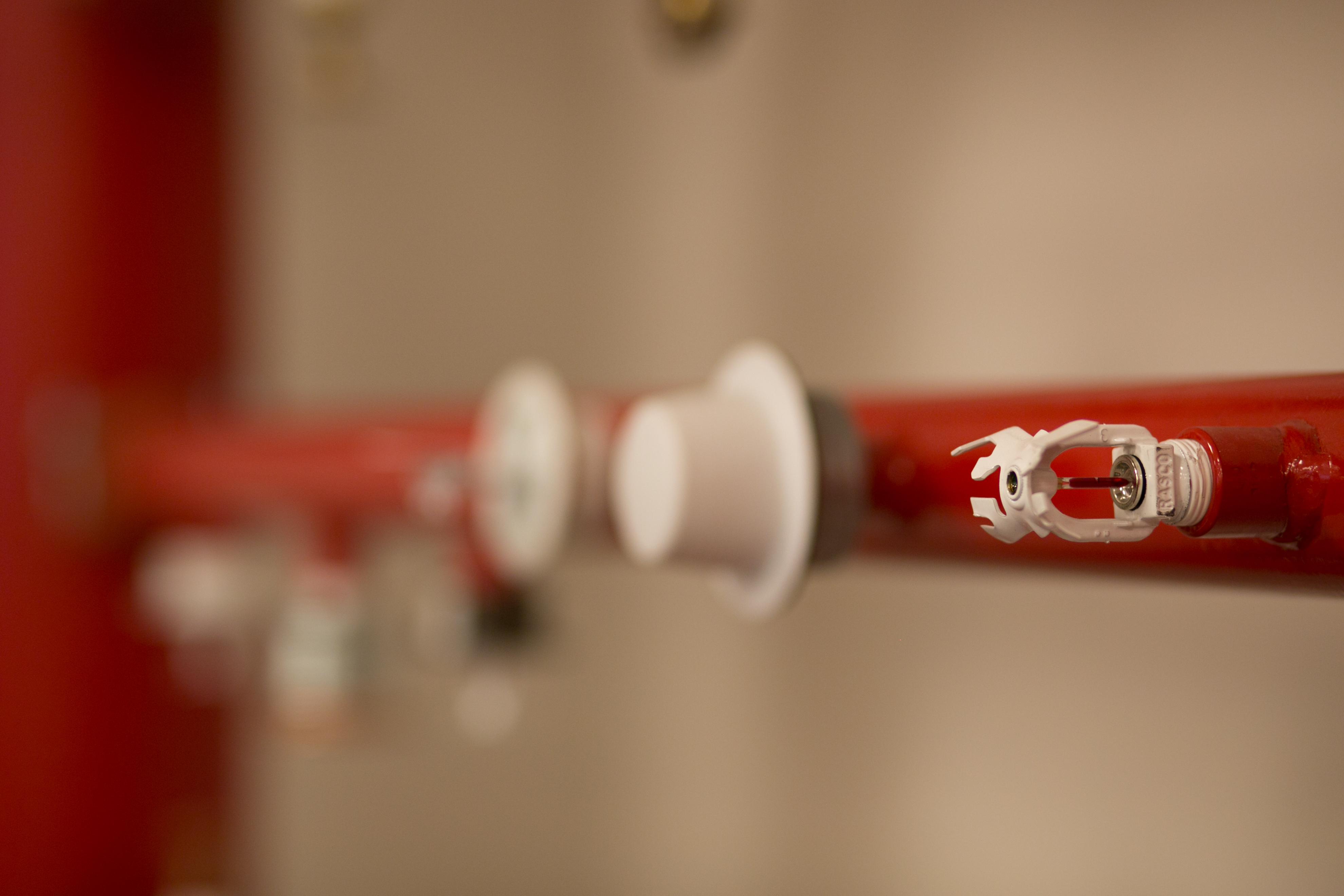
Fire Sprinkler Heads Must Be Ready
Fire sprinkler heads are designed to be ready when they're needed, even if they remain untouched for years. But that doesn't mean they should be ignored.
During routine fire sprinkler inspections, we regularly find sprinkler heads with conditions that could interfere with their performance. Some are easy to spot, while others may not seem like a problem unless you know what you're looking for.
A sprinkler head deficiency doesn't always mean the sprinkler head needs to be replaced. But it does mean the condition needs to be evaluated and corrected so your fire sprinkler system can operate as intended.
What Is a Fire Sprinkler Head Deficiency?
A sprinkler head deficiency is when one or more sprinkler heads do not meet the performance, code or safety requirements set by NFPA 25 and therefore could affect the sprinkler's ability to perform properly.
Some deficiencies develop gradually because of the environment. Others result from building renovations, maintenance work or accidental damage. And because sprinkler heads are located throughout a facility and often overhead and out of sight, these conditions can easily go unnoticed between inspections.
That's one reason visual inspections are an important part of maintaining your fire sprinkler system.
Common Fire Sprinkler Head Deficiencies
While the specific conditions we encounter vary by facility, there are several sprinkler head deficiencies our inspectors see regularly. Scroll through some of the most common deficiencies we catch during visual inspections.


Take a Closer Look at Common Sprinkler Head Deficiencies
Knowing what sprinkler deficiencies look like can make it easier to recognize potential issues in your own facility.
We've put together a Guide to Deficient Sprinkler Heads featuring common conditions our team encounters during visual inspections. Use it as a quick reference to better understand what inspectors are looking for and why these conditions need attention.

Fire Sprinkler Head Deficiency FAQs
Does Every Sprinkler Head Deficiency Require Replacement?
No, and that's an important distinction.
Finding a deficiency doesn't automatically mean the sprinkler head needs to be replaced. The appropriate correction depends on the specific condition and applicable requirements.
Some issues may be corrected without replacing the sprinkler. Others, such as certain types of damage, field-applied paint or significant corrosion, may require replacement.
The important part is not to ignore a deficiency simply because the sprinkler still appears to be intact. Your fire protection contractor can help determine what needs to be corrected and the appropriate next step.
Why Do Sprinkler Head Deficiencies Matter?
A sprinkler head is a relatively small component of a much larger fire protection system, but it has an important job.
When a fire produces enough heat to activate a sprinkler, that sprinkler needs to operate as designed. Paint, corrosion, buildup, damage or an obstruction can potentially interfere with that performance.
Addressing deficiencies also helps prevent outstanding inspection findings from accumulating year after year. Correcting issues as they're identified can make ongoing fire sprinkler maintenance more manageable and help keep your facility prepared.
What Should You Do When an Inspection Identifies a Deficiency?
Start by reviewing the inspection findings with your fire protection provider. The report should identify the condition and help determine what corrective action is needed.
If you manage multiple buildings or a large facility, it can also be helpful to look for patterns. Repeated corrosion, buildup or damage may point to an environmental or operational issue worth addressing beyond an individual sprinkler head.
Most importantly, don't assume that every deficiency requires the same solution. Have the condition evaluated so you know what needs attention, what needs replacement and what can be corrected another way.
Need help correcting a deficiency, or ready to schedule your next inspection?
The information provided is for general informational purposes only. Every fire protection system is unique, with specific inspection, testing, and maintenance requirements determined by system type, manufacturer specifications, building use, and local regulations. Consult a qualified fire protection professional or your local Authority Having Jurisdiction (AHJ) to ensure compliance with applicable standards. Century Fire Protection assumes no liability for actions taken based on this content